Shingle Disposal in Dothan: Where Your Old Roof Goes After Tear-Off
Old shingles can’t ride away in your city cart, and the Dothan landfill isn’t open to the public. Here’s where tear-off debris actually ends up, whether it can be recycled, and what to settle with your roofer before the first nail comes out.
Quick answer
For shingle disposal in Dothan, start here: old asphalt shingles are construction and demolition (C&D) debris, and the City of Dothan doesn’t collect C&D at the curb. Most tear-offs go into a roll-off dumpster or a roofer’s trailer and end up at a permitted C&D landfill such as Omussee on Kinsey Road or Rosehill near Midland City. Alabama does allow recycled shingles in road asphalt, but we couldn’t find a public shingle recycler in the Dothan area, so ask your roofer where the load is going and put debris removal in the written contract.
Can You Put Old Shingles in Your Dothan Trash Cart?
No. The City of Dothan’s garbage and trash page lists construction or demolition debris among the things its crews don’t take, and a roof tear-off falls squarely in that group. That goes for the roll cart and for the curb pile.
What the city does pick up
Dothan Environmental Services collects household garbage in carts and a separate “trash” stream for yard waste and bulky items like furniture and appliances. Trash piles go curbside, not in the street, one pile per home, with limbs no longer than 5 feet or thicker than 8 inches. Shingles, felt and old decking aren’t on that list.
Why a shingle pile at the curb stays put
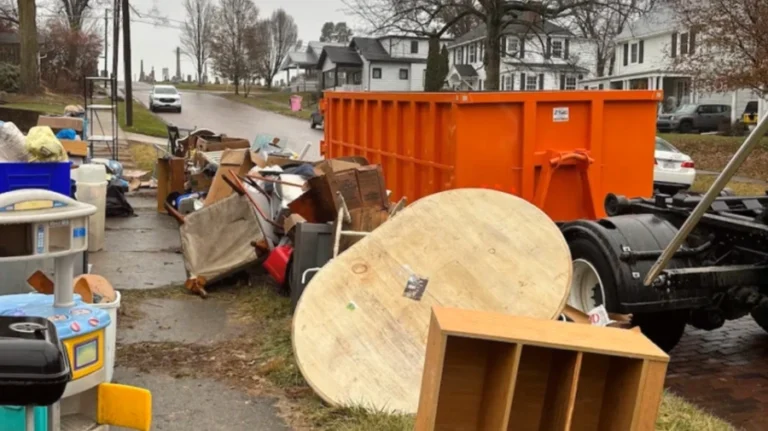
A pile of roofing debris left by the road is likely to sit there until someone hauls it off privately. If you’re not sure how a mixed pile will be handled, call Environmental Services at (334) 615-3820 before you set anything out.
Outside the city limits
Outside Dothan’s limits, Houston County homes have their own collection arrangements, but roofing debris still goes to a C&D facility, not a household garbage route.
Where Do Roofing Crews Take Tear-Off Debris Around Dothan?
To a permitted C&D landfill or a transfer station, usually in a roll-off container or the crew’s own dump trailer. With the city’s sanitary landfill closed to public drop-offs, these are the realistic destinations for a Wiregrass roof.
Omussee C&D Landfill on Kinsey Road
The closest C&D option for most of the city. It takes construction and demolition debris on weekdays and turns away household garbage, electronics and tires. Hours and payment details are in our Dothan landfill and disposal guide, which we re-check monthly.
Rosehill Landfill near Midland City
Rosehill operates under ADEM C&D landfill permit 23-07 in Dale County. ADEM’s September 2025 public notice for its proposed expansion lists C&D waste and rubbish, discarded tires and alum sludge as accepted wastes, and says the site is also approved for asbestos. That last point matters for some older roofs, covered below.
Transfer stations
A transfer station consolidates loads before they’re trucked to a final landfill. Some Wiregrass haulers use one when it’s on the way, so “where it goes” can mean two stops. If your roofer or hauler names a transfer station, that’s normal.
Who actually does the hauling
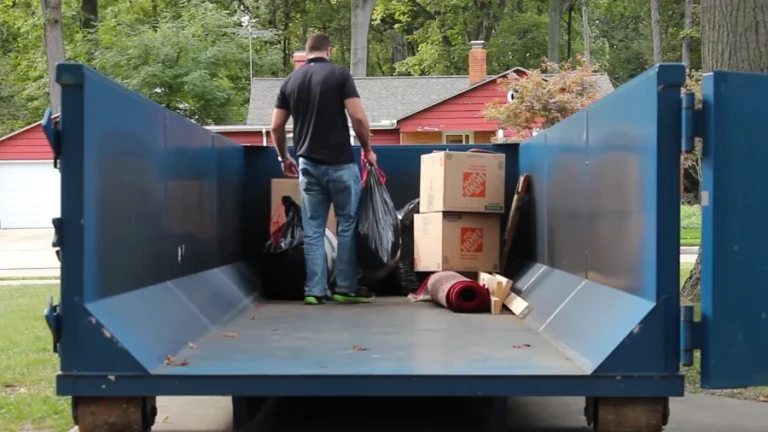
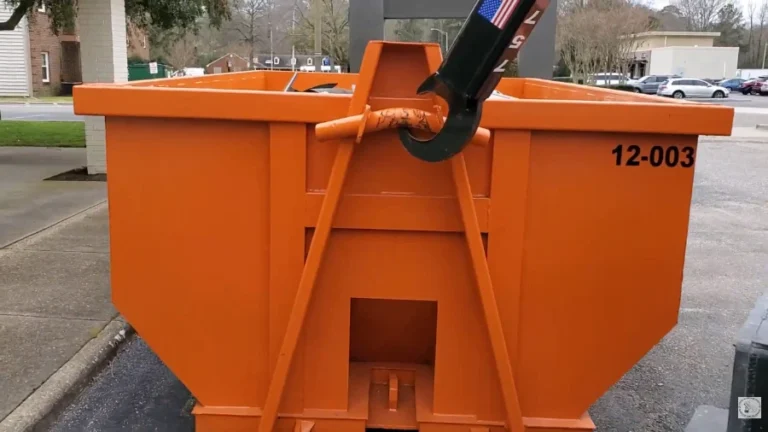
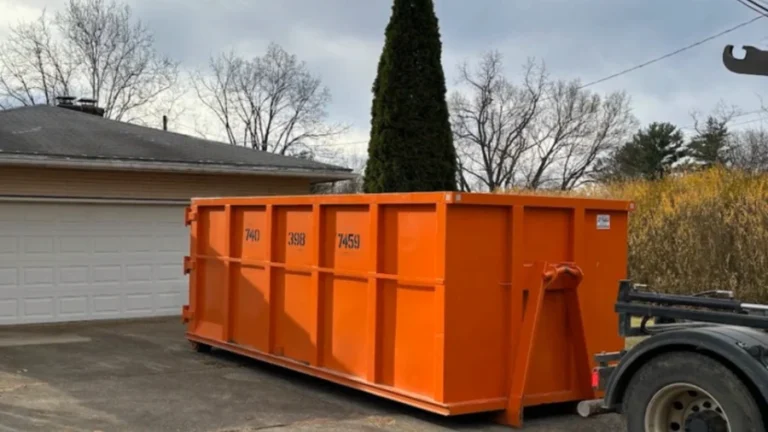
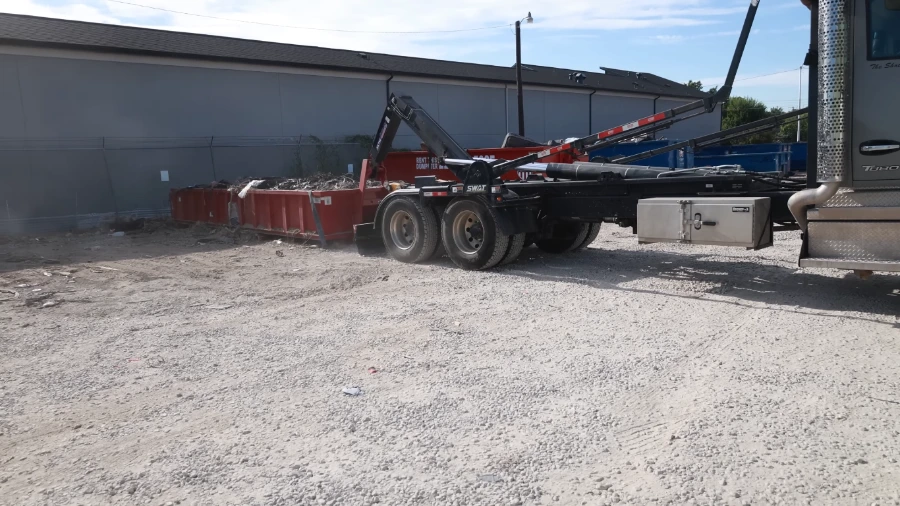
Many roofing crews bring a dump trailer and haul the tear-off themselves. Others want a roll-off container in the driveway so they can drop debris straight off the roof edge. Both work; what matters is that the contract says who is responsible for removal and the magnet sweep.
Can Asphalt Shingles Be Recycled in the Wiregrass?
In principle yes, but in practice it depends on whether a recycler is operating within hauling distance, and we couldn’t find a published one serving Dothan. Here’s how shingle recycling works and how to check.
What recycled shingles become
According to the Asphalt Roofing Manufacturers Association (ARMA), the main use is road paving: shingles are ground up and blended into the asphalt used in pavement. They can also go into cold patch, base aggregate and new roofing products. Nails don’t have to be pulled first, because recyclers remove them with magnets.
Alabama already uses them on roads
The Alabama Department of Transportation’s specifications allow recycled asphalt shingles (RAS) in asphalt mixes, capped at 3% of aggregate by mass in surface layers and 5% in other layers. ARMA’s summary of the 2024 national paving survey ranked Alabama among the top ten states for estimated RAS use.
How to find out if your roof can be recycled
- Ask the roofer first. Crews that tear off roofs every week are the most likely to know whether a recycler is taking shingles that month.
- Ask ADEM’s recycling program at (334) 370-5651. ShingleRecycling.org lists it as the state contact for shingle recycling questions.
- Expect a clean-load rule. ARMA says recyclers want shingles kept apart from wood, metal and other debris, so a recycled load means sorting on site.
- Accept the likely answer. If no recycler is running nearby, a permitted C&D landfill is the legal, normal destination.
What About Older Roofs That Might Contain Asbestos?
Most asphalt shingles on Dothan houses aren’t a concern, but some older homes have asbestos-cement roofing or siding shingles, and those need different handling. If your house is decades old and the roof or siding is a hard, cement-like tile rather than a flexible asphalt shingle, check before anyone cuts into it.
Don’t saw, drill or break it
Public health guidance on asbestos in the home, such as the North Carolina health department’s fact sheet, says not to saw, sand, scrape or drill suspected asbestos materials, and to have removal done by people trained and equipped to handle asbestos.
How the federal rule treats a single house
EPA has clarified that renovating or demolishing an isolated small residential building, four or fewer units, generally falls outside the federal asbestos NESHAP rule. That guidance says it doesn’t override state or local requirements, and it doesn’t make the material safe to handle.
Where it can go
Asbestos waste can’t just be mixed into a regular dumpster. Per ADEM’s notice, Rosehill is approved to take asbestos, and our landfill guide notes asbestos there is handled by appointment. A licensed abatement contractor will arrange the packaging and disposal.
Who to ask
For Alabama rules on asbestos removal, contact ADEM’s Air Division, and have a qualified inspector sample the material if you aren’t sure what it is.
Do You Need a Permit to Replace a Roof in Dothan?
Call before you assume. The City of Dothan’s building permit page says a permit is required for new construction, alterations and additions, and it tells homeowners to call Permits and Inspections to confirm whether a specific project needs one.
Who to call
Building Inspection Services is at 126 N. Saint Andrews Street, (334) 615-4450, Monday through Friday. Ask whether your re-roof needs a permit and whether any decking or framing repairs change the answer.
Dothan’s wind design number
The city’s FAQ lists a wind load requirement of 120 mph. That’s worth knowing if a storm forced the replacement and you’re choosing shingles and fastening for the next one.
Licensing comes before disposal
Debris is only one line in the contract. Before you sign, see our notes on checking a roofer’s state license after a storm.
What Can Go in a Shingle Dumpster, and What Can’t?
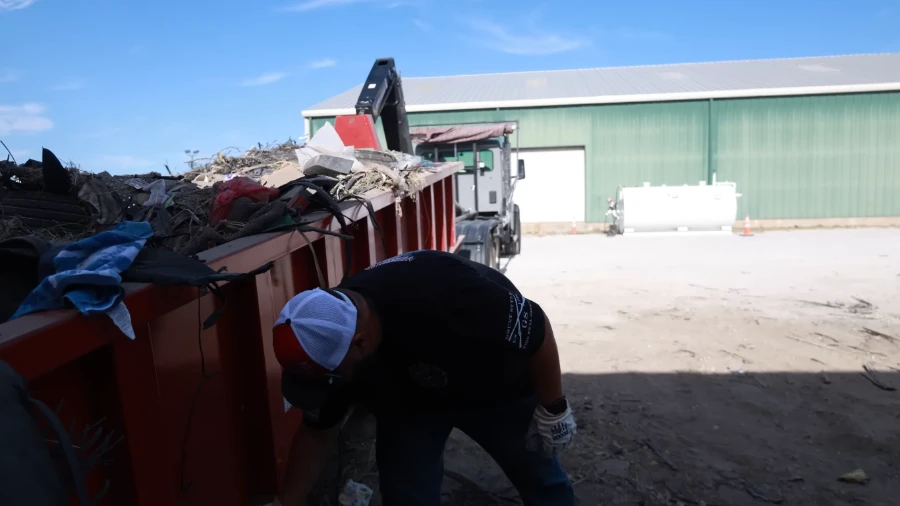
Roofing debris is heavy, so keep the container to roofing materials and leave out anything a C&D landfill turns away. This checklist covers a typical asphalt tear-off.
| Usually fine in a roofing container | Keep it out |
|---|---|
| Asphalt shingles and ridge caps | Suspected asbestos-cement shingles or siding |
| Felt and synthetic underlayment | Paint, sealant and adhesive cans with liquid in them |
| Rotted decking and fascia boards | Tires |
| Drip edge, flashing and old vents | Household garbage and food waste |
| Old gutters removed with the roof | TVs, electronics and batteries |
Mind the weight, not just the space
Shingles fill a container’s weight limit long before they reach the top rim. Tell the provider how many squares and layers are coming off; the roof tear-off dumpster page has the weight table and size guidance.
Don’t load above the rim
A container piled over the top can’t be tarped or hauled safely.
Keep the load clean
Mixing in household junk can complicate where the load is allowed to go. If you also have a garage to clear, plan a second container or a separate trip.
Which Shingle Disposal Option Fits Your Job?
Shingle disposal in Dothan comes down to roof size, who’s doing the work and how much driving you want to do. Here’s how the three common setups compare for a Dothan home.
| Option | Works best for | Watch out for |
|---|---|---|
| Roofer hauls in a dump trailer | Crews with their own equipment and a steady C&D run | Confirm it’s in the contract, along with a magnet sweep |
| Roll-off dumpster in the driveway | Full tear-offs, two-layer roofs, crews dropping debris off the eave | Weight limits; place it clear of low limbs and power lines |
| DIY loads in a pickup or trailer | A small shed roof or a few bundles of leftovers | Several trips, landfill hours and loading heavy debris by hand |
A note on storm-season timing
After a storm like Isaias, roofers and haulers book up together. Lining up debris removal at the same time you schedule the crew avoids a tear-off pile sitting in the yard. For limbs and fencing from the same storm, see storm debris cleanup.
Shingle Disposal FAQs
Related pages and guides
How this guide was researched
Sources: the City of Dothan’s garbage, trash and recycling page, building permit page and permits FAQ; ADEM’s September 2025 Rosehill Landfill permit notice; ARMA’s asphalt shingle recycling overview; ShingleRecycling.org’s Alabama page for ALDOT limits and state contacts; EPA’s residential asbestos NESHAP clarification; and the Asbestos in Your Home fact sheet. Checked October 28, 2026. Site rules change, so call before you haul. This is general information, not legal advice. See our sources and data standards.
Tear-Off Day Coming Up?
Tell us the roof’s squares, how many layers are coming off and the date the crew starts, and we’ll help line up a container that fits the load. Call or text (334) 483-0338.